Laser Hair Removal Devices
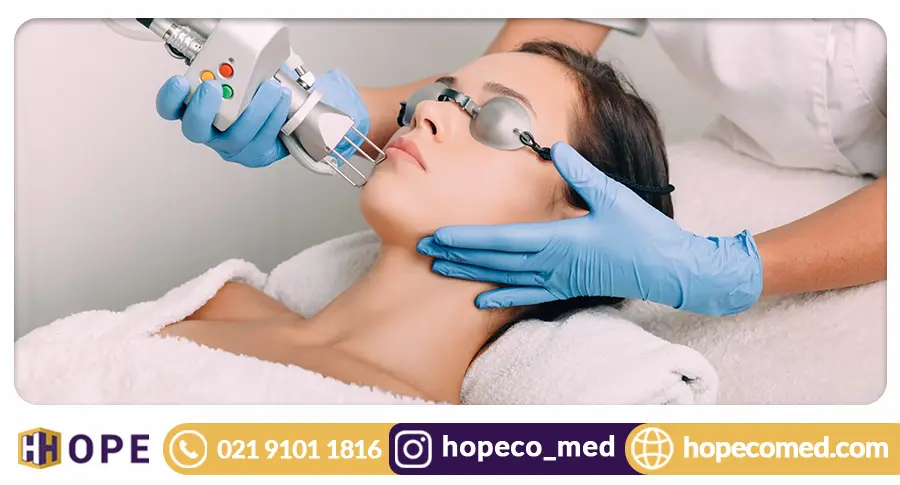
Laser hair removal devices have quickly become one of the most effective and long-lasting methods for eliminating unwanted hair. Unlike traditional techniques such as shaving, waxing, or epilation—which are temporary and often cause irritation, redness, ingrown hairs, and rapid regrowth—laser technology offers smoother skin with fewer side effects.
How Laser Hair Removal Works
Laser devices use concentrated light energy directed at hair follicles. Melanin, the pigment in hair and skin, absorbs this energy and converts it into heat, which damages the follicle and prevents future growth. Choosing the right wavelength is crucial: between 700–1400 nm is considered optimal for targeting melanin while minimizing interference with other skin pigments.
Main Wavelengths Used in Laser Hair Removal
- 755 nm Alexandrite: Highly effective for fine, light-colored hair and fair skin types (I–III).
- 808 nm Diode: Deeper penetration, suitable for darker and thicker hair, effective across most skin types.
- 1064 nm Nd:YAG: Deepest penetration, ideal for darker skin tones (IV–VI) and coarse, rooted hair.
Treatment Sessions and Effectiveness
Most patients see significant results after 6–8 sessions, though individual factors such as skin type, hair thickness, and treatment area may require more. Hair typically sheds about a week after treatment, with up to 80% reduction after the first session.
Device Power Matters
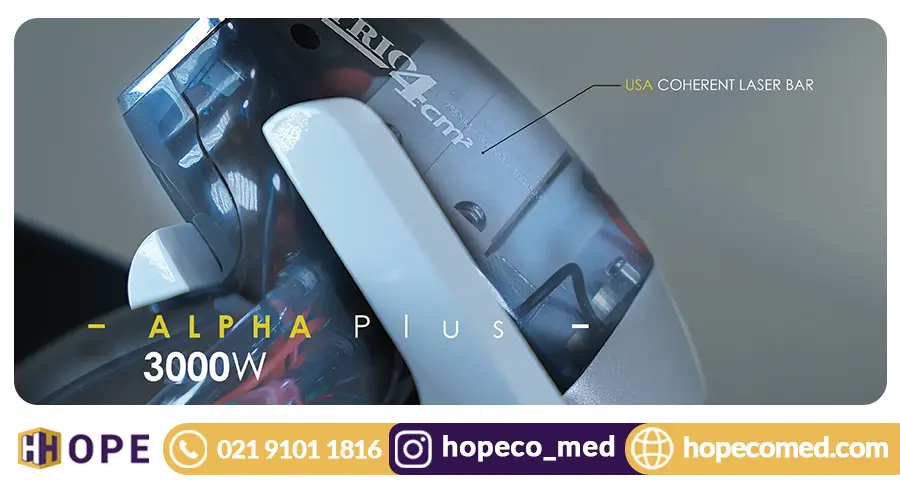
Higher-powered devices are more effective at targeting fine and thinning hair, ensuring long-term smoothness.
Choosing the Right Device
The best device depends on your skin and hair type. Consulting a dermatologist ensures the safest and most effective treatment. Always choose clinics with certified specialists and reliable equipment.
Laser hair removal devices, when used correctly, provide one of the most advanced and popular solutions for achieving smooth, hair-free skin.